

Bulk Foods Week – Save Money Shopping the Bulk Bins

The Bulk is Green Council (BIG), together with natural food stores and grocery stores across the country invite shoppers to celebrate the eco-friendly and affordable benefits of buying natural and organic foods in bulk during National Bulk Foods Week, October 16-22. To commemorate the special week, BIG is partnering with retailers nationwide to offer special incentives and discounts on natural and organic bulk foods to shoppers.  To see if there is a store near you participating check the site here.

Buying in bulk already offers significant cost savings, and during National Bulk Foods Week, stores throughout the country will offer further discounts on bulk foods.  Over 500 natural food stores and grocery stores across the country will be participating in this important event.

The benefits of buying in bulk include:

  • Saving money — Buying natural and organic foods in the bulk section of the grocery store offers an average savings of 30% and 50% versus packaged food.
  • Helping the environment – Eliminating packaging reduces carbon footprints. Buying in bulk mitigates the amount of garbage that ends up in landfills and streamlines the transportation needed to deliver goods to market, helping to reduce CO2 emissions.
  • Reducing food waste — Buying in bulk allows shoppers to make smarter decisions, by purchasing the exact amount of foods they need, as opposed to purchasing consumer packaged goods with a pre-determined amount that may not be used before its expiration date.
  • Flexibility to buy a pinch or a pound – Buying in bulk offers a broad selection of natural and organic products that can be purchased in the exact quantity desired. If shoppers need a large quantity of nuts for a holiday party or just a pinch of curry powder for a new recipe – bulk foods provide both options.

Post to Twitter Post to Plurk Post to Yahoo Buzz Post to Delicious Post to Digg Post to Facebook Post to MySpace Post to Ping.fm Post to Reddit Post to StumbleUpon

Organic on a Budget: Scoring Cheap Fruits and Veggies

If you’re making the switch to more wholesome foods like my family has been doing, you may have realized a change in your budget. If you were buying tons of processed foods and take out, you might have seen that you’re spending less. But, more than likely, if you’ve been doing “pretty well” before, using coupons, and now you’re dabbling in the land of organics, you’ve noticed an increase.

Well, I’ve been shopping this way for about a year now, and I’ve learned a few tricks during that time. Now, I’ll be the first to admit that it can be a challenge, and that organic foods are generally more expensive, but with a little discipline and a few tips and tricks, you CAN stay within your budget.

This week I’m sharing a few tips for how to score your fruits and veggies on the cheap.

First, download the EWG’s dirty dozen/clean fifteen lists. You can print a wallet sized PDF for your purse so you’ll always have it, or if you have an iPhone – there’s an app for that. =) The dirty dozen list shows you which 12 fruits and veggies have the highest pesticide load (either by frequent doses during the growing season or from multiple kinds of pesticides being used on the same plant). The clean fifteen is the opposite – the fruits and veggies that get the fewest pesticides and are thus, “the cleanest.”

Now, with that knowledge you can determine what to buy organic and what is safer to buy conventionally. My only other piece of advice is, if the fruit or veggie you would like to pick up this week isn’t on the dirty dozen or the clean fifteen list, think about how much of it you {or your children} will consume. For example, my son loves green beans. They aren’t on either list. I buy them organic 95% of the time because I know he eats a lot of them and thus HIS pesticide consumption would be high because he would be eating a lot of whatever chemical concoction they are using on the green bean plants. If your child is a picky eater and only eats a few kinds of fruits or veggies it might be wise to start there when determining where to spend your dollars on organic foods.

Next, buy what is in season. You’ll get the best prices on fruits and vegetables that are in season because they’ve traveled a shorter distance and they are in abundance.

If you find a REALLY good deal, stock up. How can you stock up on fresh fruits and veggies? Freeze them or can them! Last week I got a super deal on gorgeous strawberries. I bought about three gallons. I left some in the fridge to eat right away, and I flash froze the rest for later!

Buy local. If the items you would like to buy are cheaper at the farmers market, and they likely are, don’t hesitate if the items aren’t on the dirty dozen list. And, if they are in the dirty dozen list, just ask the seller if he/she can tell you about their farming practices. A lot of farmers use sustainable and healthy practices but aren’t certified organic. Being certified costs a lot of money and your small town local guy probably can’t afford to go that route.

Join a CSA. I haven’t had a lot of luck with this option – but I certainly know people who have! It can be a very cost effective solution. The basic idea is that you pay a set amount to the grower up front and then for a set number of weeks you get a box of fresh produce in return. My only advice is to shop around to make sure your getting a good price. Ask for references, and find out what kind of produce you can expect. You’ll want to be sure what your getting and what your family is willing to eat/try match or you’ll have wasted produce and wasted money.

Lastly, frozen and canned are always options too, so keep your eyes peeled for good sales. Reports have shown that canned fruits and veggies have a lower pesticide load than conventionally grown fresh-probably because they don’t have to worry so much about turning out a beautiful product or shipping long distances.  But, remember, when buying canned foods you run into another enemy…BPA lined cans. There are a few companies that don’t use BPA, Native Forest and Eden Foods.

Of course, growing your own is always an option, but if you can’t grow enough to keep your family satisfied there are lots of ways here to help you get your bellies full without emptying your wallet!

How do you keep you budget low while still keeping your fridge full?

Post to Twitter Post to Plurk Post to Yahoo Buzz Post to Delicious Post to Digg Post to Facebook Post to MySpace Post to Ping.fm Post to Reddit Post to StumbleUpon

Organic on a Budget: Bulk Bins = Bargains

When you first start buying organic foods you might have sticker shock.  The price difference on some items can be steep.  And, while I must admit, buying organic foods can be a bit more expensive, it doesn’t mean you can’t afford it.  Sometimes it just takes knowing a few tricks and paying attention.

That’s what this series is all about: teaching you a few tricks.

First off, you should know I don’t buy EVERYTHING organic.  AND, processed foods cost more (especially organic, processed foods) than whole foods.  And finally, cooking things from scratch {ie: making your own “convenience foods”} takes much fewer ingredients than buying processed foods.

Here is an example of what I mean: If you’re already buying flour, milk, butter, eggs, yeast, and vanilla you can make a whole host of things: pancakes, waffles, homemade bread, hamburger buns, hotdog buns, bagels, muffins, the list literally goes on and on. But, most traditional shoppers buy the above said ingredients PLUS a lot of the items mentioned here premade, such as frozen waffles, hamburger buns, hotdog buns, muffins, muffin mixes, etc. that they could be making out of things they already have on hand.

One of the first things I noticed when I decided to feed my family more wholesomely is that I required a LOT less at the grocery store!  Less items = less money.  So, although the items I bought were costing me a bit more, I wasn’t spending a whole lot more and my family was eating {and feeling} much better. Okay, with that knowledge you may be thinking about what basic ingredients you would need that are versatile for lots of meals/items.  Here’s a list of dry goods to get you started:

  • oats
  • all purpose flour
  • baking soda
  • baking powder
  • dried beans
  • rice
  • sugar
  • yeast
  • popcorn

Almost all of these items can be found in your store’s bulk bins.  Never shopped the bulk bins?  You should, and here’s why:

  1. All that pretty packaging = money.  When companies save money they often pass the savings on to you.
  2. Organic from bulk bins often costs the same {and sometimes even less!} than conventional of the same product. Why?  Organic companies are often small businesses and just like I said in #1, packaging can be costly.  By selling in bulk they save money so you save money!
  3. You can buy only the amount you need.  Since some items are costly, you can buy only what you need instead of a large package off the shelf that has more than you need, eating up more of your weekly budget than you need!

Convinced?

Me too!  So, here’s what I’ve been buying in the bulk bins so far:

  • Oatmeal
  • Organic popcorn
  • Conventional (not organic) dried beans and lentils
  • Organic dried fruit (blueberries, raisins, cranberries)
  • Nuts (almonds and pecans)

I’ve found that all of these items are cheaper than their counterparts (per ounce) on the shelf, prepackaged.  I was pleasantly suprised to find out my organic popcorn was CHEAPER than conventional popcorn found at any grocery store!  And, with corn being a GMO crop, buying organic was important to me.  But, don’t just take my word for it, All You magazine recently published an article called, “Scoop up Great Deals on Food,” by Cecily McAndrews.  She listed other items that she found up to 60% cheaper than the “shelved” alternatives such as flax, cinnamon, and chocolate chips!

A Few More Tips to Make Sure Buying in Bulk is the Best “Bang for Your Buck”

  1. Take a calculator.  Compare the bulk item’s price per ounce with the prepackaged ones on the shelf.  Sometimes a sale item on the shelf if going to be cheaper, sometimes the bulk items will be.
  2. Only buy what you NEED.  If you buy more than your recipe calls for, and you don’t use it all, you’re not saving money!  Just because they are called “bulk bins” doesn’t mean you are required to buy 10 lbs. of something.  You can purchase a little or as much as you want.  Just need a 1/4 lb? – then purchase that amount.  Wasted food = wasted money.
  3. Shop the bulk bins in stores where the bulk bins are used…a lot. Quick turnover means a fresher product.
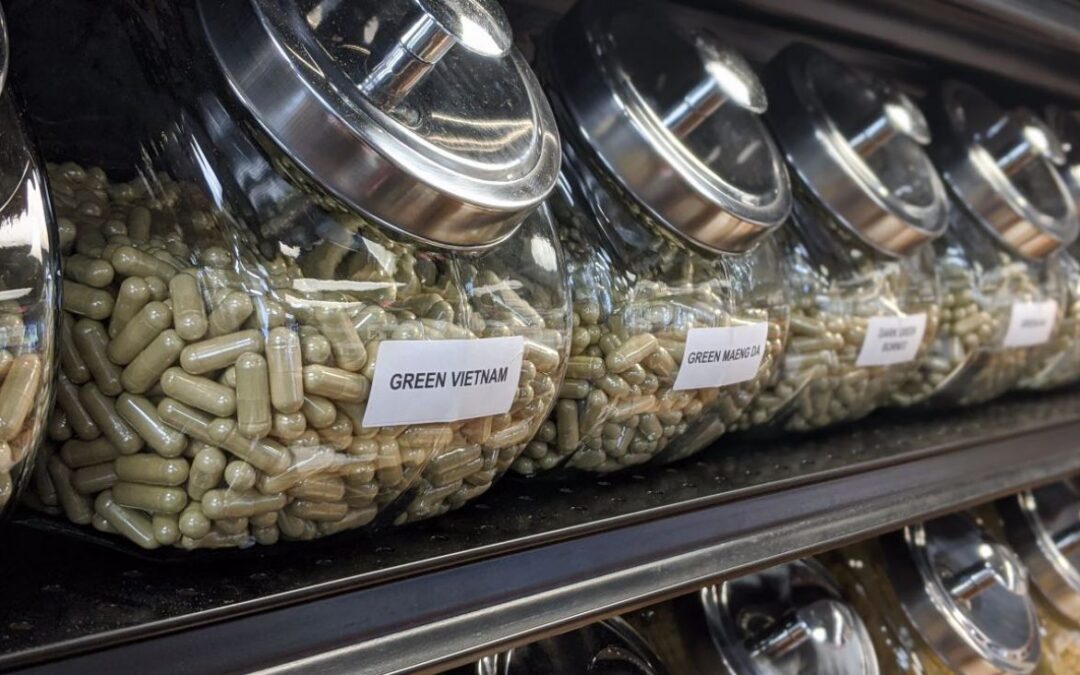
  4. Make sure the bins you’re shopping from have lids and scoops or levers that dispense and don’t require touching. This is much more sanitary.
  5. Make sure you have storage at home for the items you buy.  Sometimes I leave items in the bags – like for the beans and popcorn.  But, you’ll want an airtight container to keep pests out of things like flour and oats.
  6. Don’t get the “kid in the candy store syndrome.”  Bulk bins can be very enticing, especially all the candies, premixed granolas, and other goodies.  Don’t buy a whole bunch of products you don’t normally buy – or need.  Stick with your list and the bins will save you money.

Do you shop the bulk bins?  I’d love to hear your tips and tricks too!  Which items are YOU buying in bulk?

Post to Twitter Post to Plurk Post to Yahoo Buzz Post to Delicious Post to Digg Post to Facebook Post to MySpace Post to Ping.fm Post to Reddit Post to StumbleUpon

Site design by New Season Design